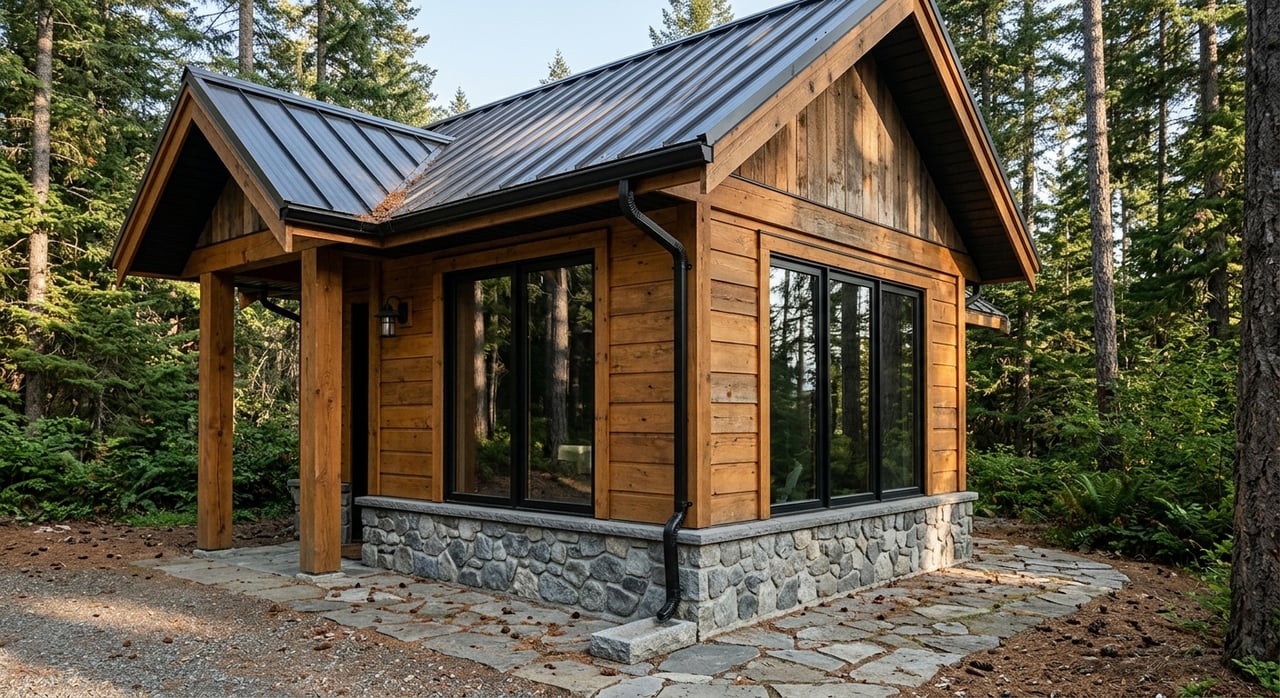
Buying A Cabin Or Retreat In Payson Arizona
June 25, 2026
June 25, 2026
Dreaming about a cabin in Payson? You are not alone. For many buyers, Payson offers the cooler-weather retreat that feels close enough to Phoenix for weekends but different enough to feel like a real escape. If you are thinking about buying a cabin or mountain retreat here, the biggest win is knowing that this market works a little differently than a typical suburban purchase. Let’s dive in.
Payson is a mountain market, and that changes what matters during your home search. NOAA data for Payson shows the area sits at about 4,850 feet, with 19.84 inches of annual precipitation and 18.5 inches of annual snowfall. That means snow, freezing temperatures, runoff, and driveway access are practical concerns you should take seriously.
The setting also shapes the buying experience. The Payson Ranger District surrounds town and stretches north toward the Mogollon Rim, with landscapes that include chaparral, pinyon-juniper, and ponderosa pine. That natural setting is a big part of the appeal, but it also means you should think like a rural or mountain-property buyer, not just a resale buyer in a standard neighborhood.
If you are visiting properties from out of town, current conditions matter. The Town of Payson maintains a fire, weather, and roads information page that points buyers to road alerts, radar, and wildfire resources. Before any showing trip, it is smart to check conditions so you know what access may look like that day.
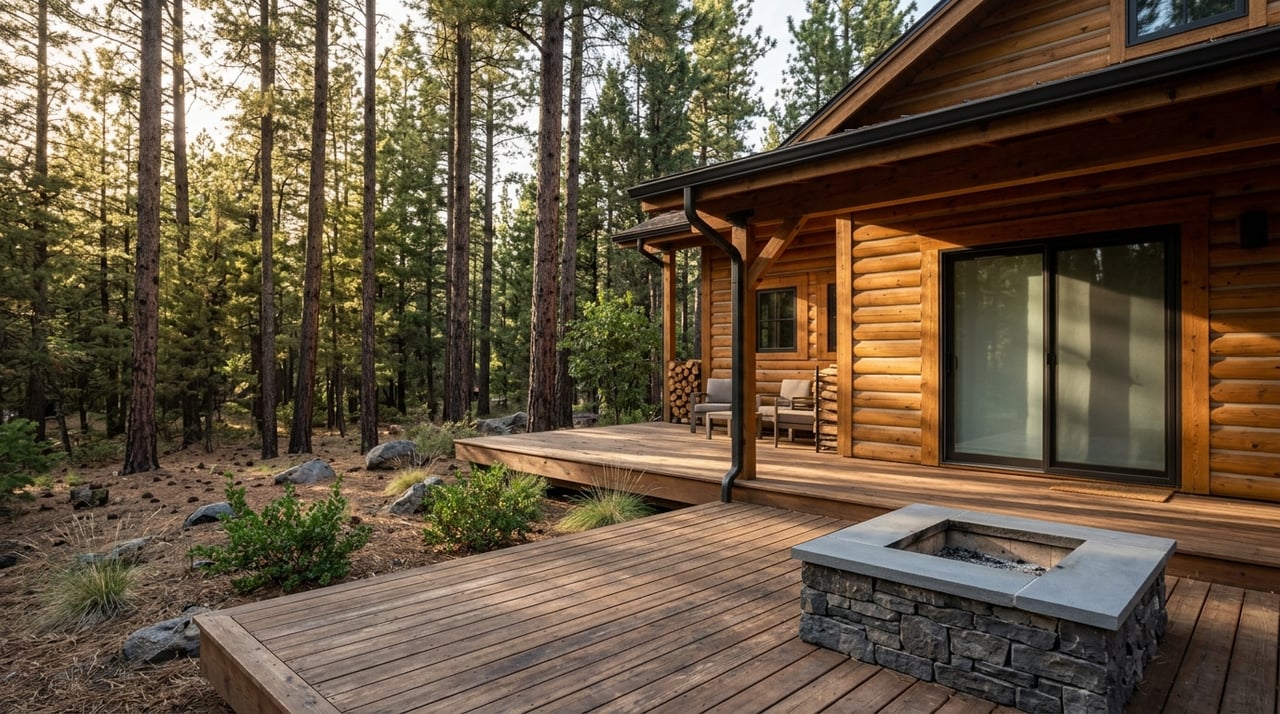
A beautiful deck and tall pines can grab your attention fast, but mountain homes need a more practical first look. In Payson, some of the most important questions are about access, water, wastewater systems, drainage, and wildfire exposure. Those details often have a bigger impact on daily use than cosmetic updates.
When you tour a property, try to look beyond the photos and finishes. Ask who maintains the road, how the home gets water, whether the septic system is permitted and serviceable, and whether the lot shows signs of runoff or heavy brush. These are the kinds of issues that can affect convenience, cost, and peace of mind.
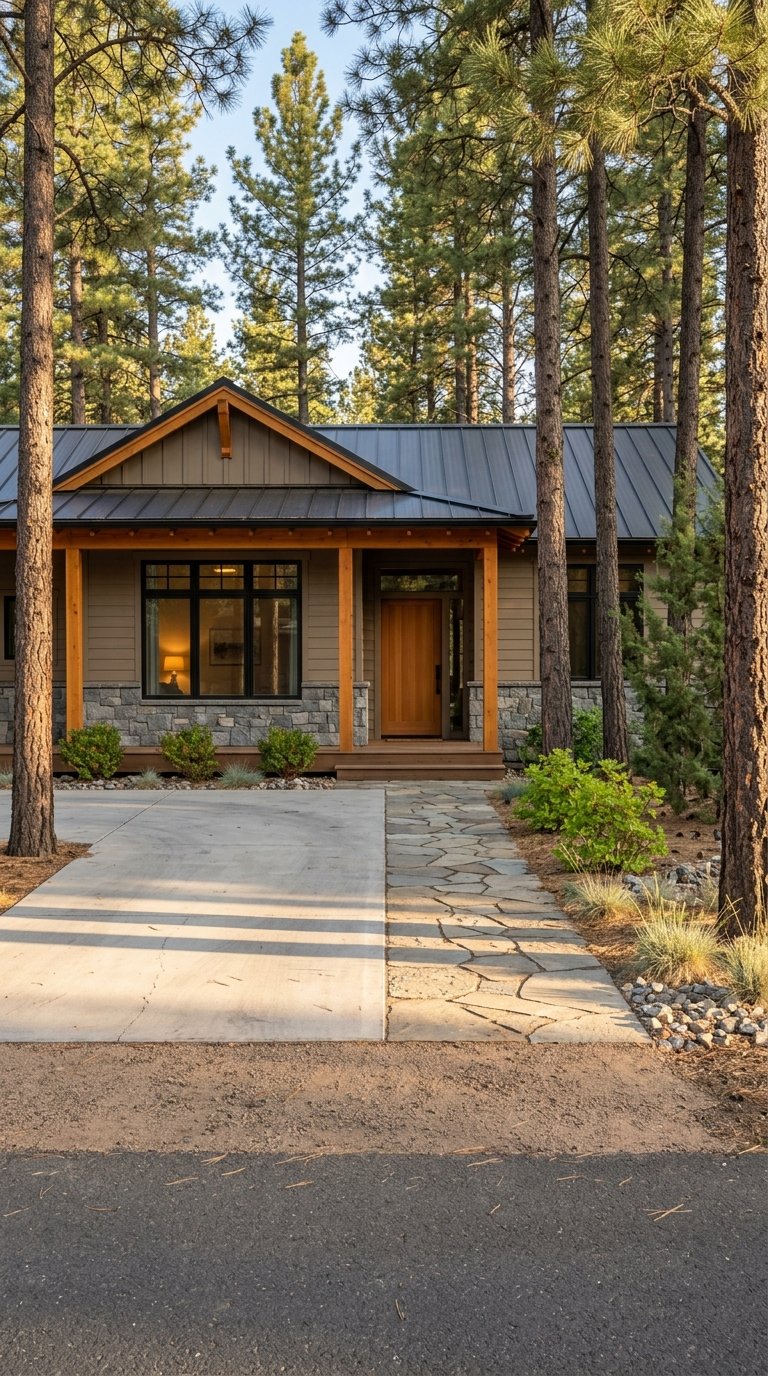
In a mountain market, the question is not just whether a road reaches the property. Gila County requires each lot to front on a public or private road or approved access. In subdivisions with private roads, there must be proof of a maintenance district or homeowners association with enough capacity to maintain the roadway over time.
For you as a buyer, that turns into a few simple but important questions. Who handles grading? Who deals with winter conditions? Is the road easy to use during snow or storms? A cabin can feel ideal on a sunny afternoon, but you want to understand what access looks like when weather shifts.
Gila County roadway guidance also notes that drainage and snow-storage needs can require additional right-of-way. That is another reminder that roads in mountain areas are part of the property story, not just a line on a map. Reliable access should be part of your due diligence from day one.
Many mountain properties in and around Payson do not function like city homes with fully municipal services. Some rely on private wells, shared wells, or on-site wastewater systems. That is not unusual in Rim Country, but it does mean you need to ask better questions early.
The University of Arizona Extension says private well owners are responsible for water safety and quality. It also notes that the nearly 6,000 exempt wells in Gila County are not regulated by any state or federal agency. In practical terms, that means you should not assume someone else is monitoring the water for you.
The Arizona Department of Water Resources says a well generally may not be drilled within 100 feet of a septic tank or sewage disposal area unless authorized. ADWR also says well water should be tested for bacteria and nitrates every year, and for arsenic, fluoride, and uranium every five years. If a property has a well, ask for records and make testing part of your inspection planning.
For septic, ADEQ says on-site wastewater systems are common in Arizona, and counties issue septic permits on ADEQ’s behalf. Gila County provides instructions for the notice-of-intent process for these systems. As a buyer, you should confirm whether the property uses septic, whether permits are available, and whether the system appears serviceable for your intended use.
Some Payson-area properties come with utility setups that are more varied than what you may be used to in the Valley. New subdivision public reports in Arizona are designed to disclose who provides electricity, telephone, gas, water, and sewage disposal, along with taxes, assessments, and HOA details. That matters because one mountain subdivision may function very differently from another.
If a shared well is involved, ADWR says the well-share agreement is a private contract and the state cannot step in to resolve disputes. ADWR also notes that ownership updates can lag in state records. That means you should ask to review the well-share agreement and verify that the related information is current.
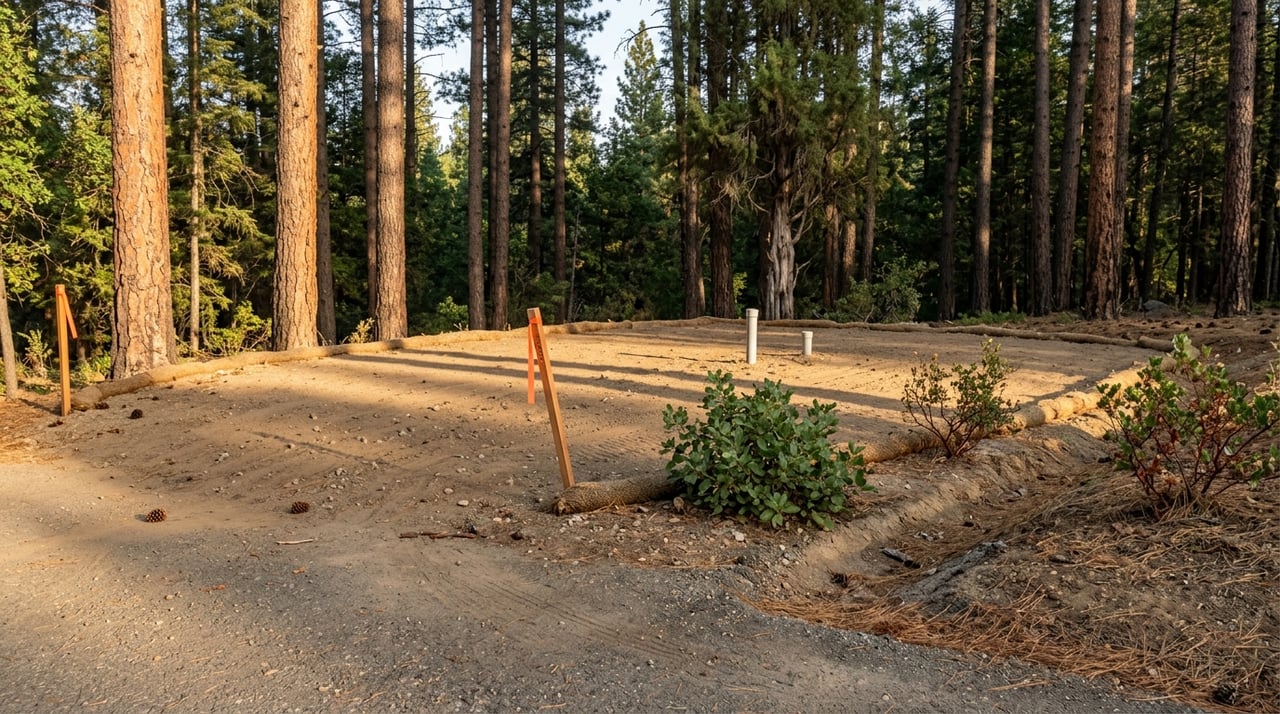
A sloped or wooded lot can be part of a property’s charm, but it can also affect maintenance and long-term performance. Gila County requires a grading and drainage permit for development or substantial improvement that diverts or affects existing drainage, and says no grading may occur without a permit. County forms also direct applicants to request floodplain, grading, drainage, and wastewater information before final plans are drawn.
For buyers, the takeaway is simple. Pay attention to runoff patterns, erosion, and where water appears to move across the property. If a lot is sloped, heavily wooded, or close to drainage paths, make those conditions part of your inspection conversation.
You should also look closely at practical signs on site. Check brush clearance, roof condition, and how the ground slopes around the home. These are not just maintenance issues. They can affect how usable and manageable the property feels over time.
Payson’s forest setting is one of its biggest draws, but it also comes with wildfire awareness. The Tonto National Forest is the official source for current fire restrictions and fire information. Because this is a broad wildland interface area, buyers should think about defensible space and emergency access as normal parts of due diligence.
That does not mean every property has the same level of exposure. It means you should evaluate each home with open eyes. Look at vegetation near the structure, ease of access for vehicles, and the overall condition of the site.
Insurance is part of this conversation too. The Arizona resale contract says homeowner’s insurance availability and cost should be checked during the inspection period, and insurance should be in place by closing. For mountain properties, it is wise to confirm insurability early instead of waiting until the last minute.
Buying a cabin in Payson usually starts like any other Arizona resale purchase, but the due diligence often goes deeper. The standard process still applies, yet your inspection priorities may be broader because of the location and property type. That is where good local guidance becomes valuable.
Your offer should reflect the fact that this is not just a cosmetic decision. You may need extra review around roads, well information, septic, drainage, flood concerns, and wildfire-related issues. Starting with the right assumptions helps you use your contract timeline wisely.
The Arizona residential resale contract gives buyers a default 10-day inspection period. During that time, you can conduct physical, environmental, and other inspections, and consult with agencies, lenders, insurers, architects, and other appropriate parties. You can also investigate building, zoning, fire, health, and safety matters.
This is the window to move quickly and stay organized. If the property has septic or another on-site wastewater system, that issue must be investigated during the inspection period. If wood-destroying organisms or insects matter to you, the contract says those should also be investigated during this same period.
If inspection items come up, the Arizona contract calls for one written notice of all disapproved items before the inspection period ends. If you and the seller reach an agreement, the transaction keeps moving. If not, the contract gives you a path to cancel under its terms.
This is one reason local coordination matters. In a mountain market, you may need inspectors, septic professionals, well guidance, and insurance input lined up quickly so you can make decisions before deadlines pass.
For resale purchases, the seller must deliver a Seller’s Property Disclosure Statement within three days after acceptance. Buyers can then disapprove items from that disclosure within the inspection period or within five days after receipt, whichever is later. If the transfer is in an unincorporated area and involves five or fewer parcels that are not subdivided property, an Affidavit of Disclosure is also required within five days after contract acceptance.
If you are comparing cabins with raw land or lots, the process can differ. Arizona public reports for certain land purchases are meant to cover water supply and permanent legal access, among other issues. That is one more reason it helps to understand exactly what type of property you are buying.
Payson is a popular retreat market in part because it feels accessible from the Phoenix area. The Forest Service describes Houston Mesa Campground, just north of Payson, as less than two hours from Phoenix. That convenience makes the area appealing for second-home buyers, but it does not remove the need for mountain-market planning.
If you are buying from out of town, build your team early. The Arizona contract notes that brokers are not licensed to conduct buyer due diligence, so you should line up the right inspectors and service professionals as soon as you go under contract. Waiting until the end of the inspection period can add unnecessary stress.
It also helps to plan visits around current conditions. Before driving up for a showing, inspection, or final walk-through, check Payson road, weather, and fire information. A little preparation can make your trip smoother and help you see the property in the right context.
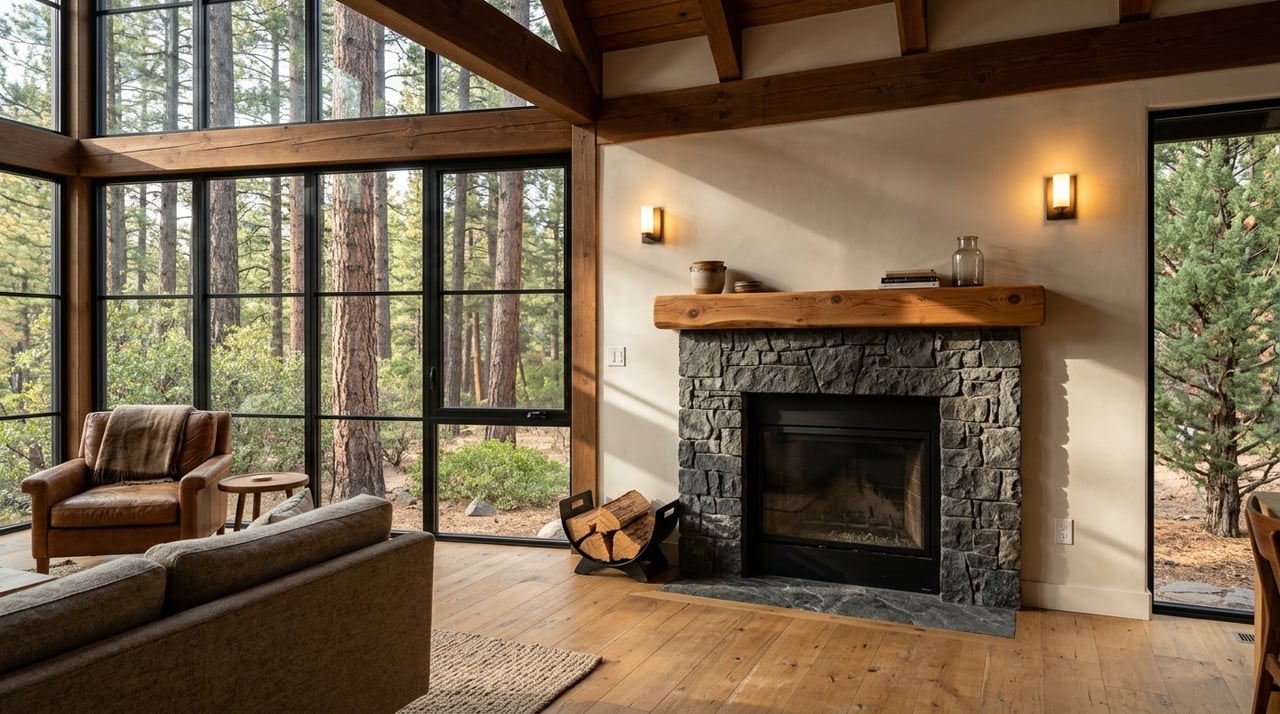
A smart cabin search in Payson balances lifestyle with function. Yes, you want the deck, the trees, the fireplace, and the sense of escape. But you also want road access that makes sense, water and wastewater systems you understand, and a property that fits your comfort level for maintenance and seasonal conditions.
That balance is where many buyers gain confidence. When you ask the right questions early, you can enjoy the fun part of shopping without missing the practical issues that matter later. In a market like Payson, that kind of preparation often makes the difference between a stressful purchase and a solid one.
If you are considering a cabin or retreat in Payson, having local guidance can help you sort through access, utility setups, inspection priorities, and what makes one mountain property more workable than another. When you are ready to explore your options, reach out to Don Junior Queen for straightforward advice and hands-on help.
Stay up to date on the latest real estate trends.
Partner with our expert team to turn your real estate goals into reality. Enjoy personalized service and dedicated guidance throughout every step for exceptional results.