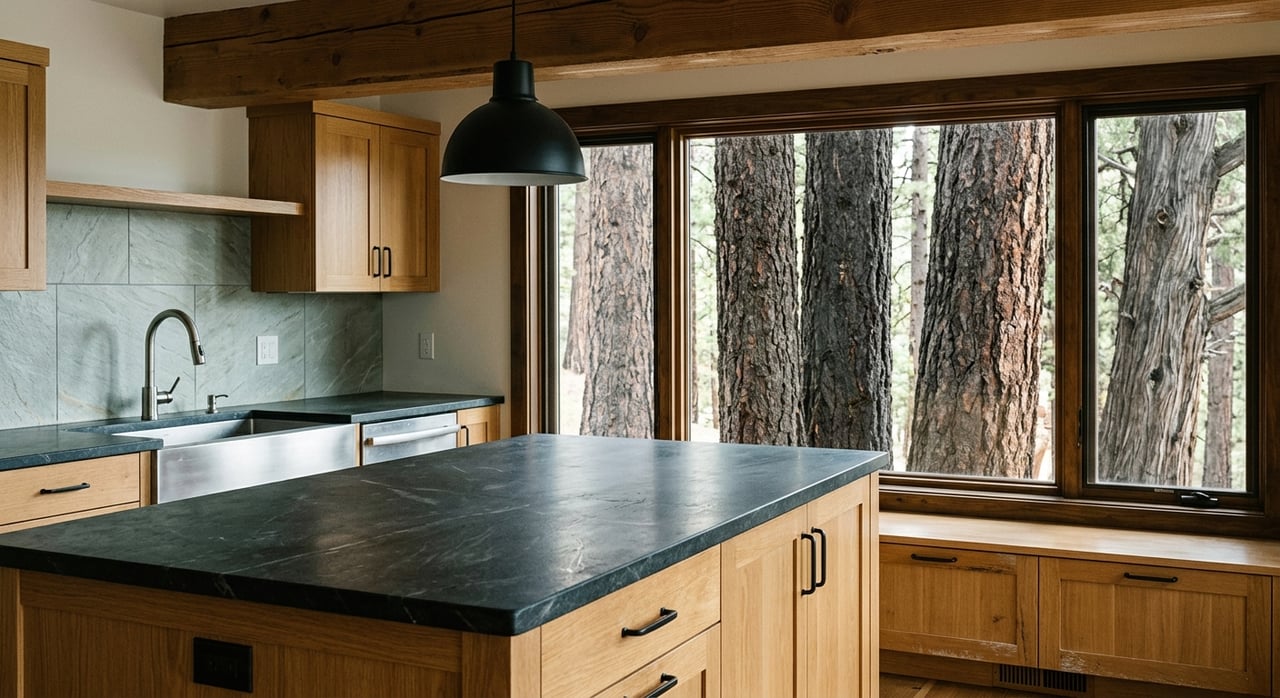
Pine Arizona Housing Market Guide For Buyers And Sellers
July 2, 2026
July 2, 2026
If you are thinking about buying or selling in Pine, Arizona, you are not stepping into a big-city housing market. You are stepping into a small mountain market where timing, pricing, and property type can matter just as much as the latest headline number. Whether you want a cabin getaway, a full-time home, or a smart plan to sell, this guide will help you understand what is happening in Pine and what to expect next. Let’s dive in.
Pine is best understood as a niche Rim Country submarket. Local reporting from the Central Arizona Association of REALTORS describes Pine-Strawberry as a high-demand, low-volume market, which means there may be real buyer interest even when the number of actual sales stays small.
That low volume matters because a few closings can shift the median price quickly. In spring 2026, CAAR reported just 4 residential sales in Pine during a recent one-month reporting period, with a median sale price of $413,750. In a market this small, short-term changes do not always signal a major trend.
Public listing sites show a similar picture, even though their numbers vary. Recent snapshots for ZIP code 85544 showed anywhere from 84 to 152 homes for sale, median listing prices from about $506,917 to $560,000, median sold prices from about $438,737 to $447,000, and marketing times around 55 to 62 days.
The differences mostly come from geography and how each site measures activity. The bigger takeaway is simple: inventory is limited, buyer demand is selective, and homes are not moving at the same speed they did during the pandemic market.
Recent local MLS reporting leans buyer-friendly to balanced. CAAR described Pine-Strawberry as a buyer’s market in late 2025, with about 6.8 to 7.6 months of inventory and longer days on market than many sellers may expect.
That does not mean buyers can assume every listing is negotiable or that sellers cannot do well. It means the market tends to reward strategy over speed. Well-prepared homes can still attract strong interest, while overpriced or highly specific properties may sit longer.
For sellers, this is an important shift. CAAR reported sold-to-list ratios near 96% in Pine-Strawberry, and regional commentary noted that sellers were often getting about 95% to 97% of final list price but closer to 92% of original list price. In practical terms, that suggests price reductions are common when a home starts too high.
Pine tends to sit above broader county norms because it functions like a premium mountain market. Gila County’s median owner-occupied housing value is $247,000, while current Pine-area portal snapshots show listing and sale figures well above that level.
That gap helps explain why Pine attracts a different kind of buyer than a typical county-wide search might suggest. Many buyers are looking for mountain lifestyle, second-home use, retirement living, or a full-time property in a cooler setting.
Because Pine is small, price trends should be read with care. A month with only a handful of sales can create a jump or dip in the median that says more about which homes closed than about the direction of the entire market.
One of the most important things to understand about Pine is that it is not just a standard single-family market. It has a long-running seasonal housing pattern, and that still shapes the market today.
The 2010 Census profile for Pine counted 2,588 housing units. Of those, 1,594 were vacant, and 1,394 were classified as seasonal, recreational, or occasional use. Among occupied homes, 87.3% were owner-occupied.
Those numbers point to a place where cabins, weekend retreats, retirement homes, and year-round residences all exist side by side. Current listings continue to reflect that identity, with many properties described as cabins, mountain retreats, or full-time mountain hideaways.
For buyers, this means you should be clear about how you plan to use the property. A cabin designed for occasional use may feel very different from a home set up for daily living. For sellers, it means the way your property is positioned matters. Buyers will often compare it not only by price, but also by lifestyle fit and functionality.
Pine behaves like a seasonal mountain market. Local MLS reporting suggests spring and early summer often bring more visible activity, while winter can be much quieter.
CAAR’s winter reporting noted that in Pine and Strawberry, weeks can pass without a single sale during slower months. By contrast, spring 2026 reporting said buyers remained active and sellers were bringing more homes to market.
If you are buying, that seasonality can affect your options. You may see more choices during higher-activity periods, but attractive cabins and updated homes can still move quickly if they are priced well.
If you are selling, timing can influence visibility, but timing alone is not enough. A strong launch still depends on accurate pricing, good presentation, and patience.
Buying in Pine often feels different from buying in a larger metro area. You may have fewer choices, more variation between homes, and pricing that reflects both property features and lifestyle appeal.
It helps to expect a market where one home may feel move-in ready and another may be more of a retreat-style property with a very different use case. Looking only at price per square foot may not give you the full picture in a market with cabins, custom homes, land, and full-time residences all in the mix.
You should also be ready for mixed market signals. On one hand, overall marketing times have lengthened. On the other hand, Redfin notes that some homes still get multiple offers and that hot homes can go pending in around 20 days.
That means opportunity exists, but so does competition for the best-positioned listings. If a home is updated, well-located, and priced right for the current market, you may need to act with confidence.
If you are selling in Pine, the biggest mistake is assuming scarcity alone will carry the sale. Low inventory helps, but buyers in this market still appear selective.
Many Pine homes are unique. That can be an advantage, but it also means pricing needs to be grounded in current demand, not just aspiration. CAAR’s local commentary suggests that sellers who begin too high often face price reductions later.
You should also plan for a longer timeline than the fast markets of a few years ago. Public portals recently showed median days on market around 55 to 62 days, while CAAR’s local MLS summaries for 2025 pointed to roughly 93 to 119 median days on market, with average days on market reaching 148 in one year-end review.
The practical takeaway is that many Pine listings need months, not weeks, especially if they are highly customized or priced aggressively. A realistic strategy can protect your momentum and help you avoid chasing the market down.
Pine is not a copy-and-paste market. It is a mountain community where low sales volume, seasonal patterns, and cabin-driven demand all shape outcomes.
That is why broad national housing advice often misses the mark here. Buyers and sellers need guidance that fits Rim Country conditions, including how local inventory behaves, how seasonal timing affects activity, and how unique homes should be evaluated.
For buyers, that can mean clearer guidance on the difference between a second-home-style cabin and a practical full-time residence. For sellers, it can mean smarter pricing, better positioning, and a more realistic timeline from day one.
Pine’s housing market offers real opportunity, but it usually rewards patience and good decision-making more than rushed moves. Buyers can benefit from more breathing room than in recent years, while sellers can still succeed when they price accurately and present their property well.
The key is understanding that Pine is a small, lifestyle-driven market. Numbers matter, but context matters just as much. When you match your strategy to the way Pine actually works, you put yourself in a stronger position whether you are buying a cabin, moving full-time, or preparing to sell.
If you want local guidance tailored to Pine and the Rim Country market, reach out to Don Junior Queen for straightforward advice and hands-on help.
Stay up to date on the latest real estate trends.
Partner with our expert team to turn your real estate goals into reality. Enjoy personalized service and dedicated guidance throughout every step for exceptional results.